Animal Daycare Approach Tier List
Rank playstyles that win daycare shifts — not Animal Hospital class sheets.
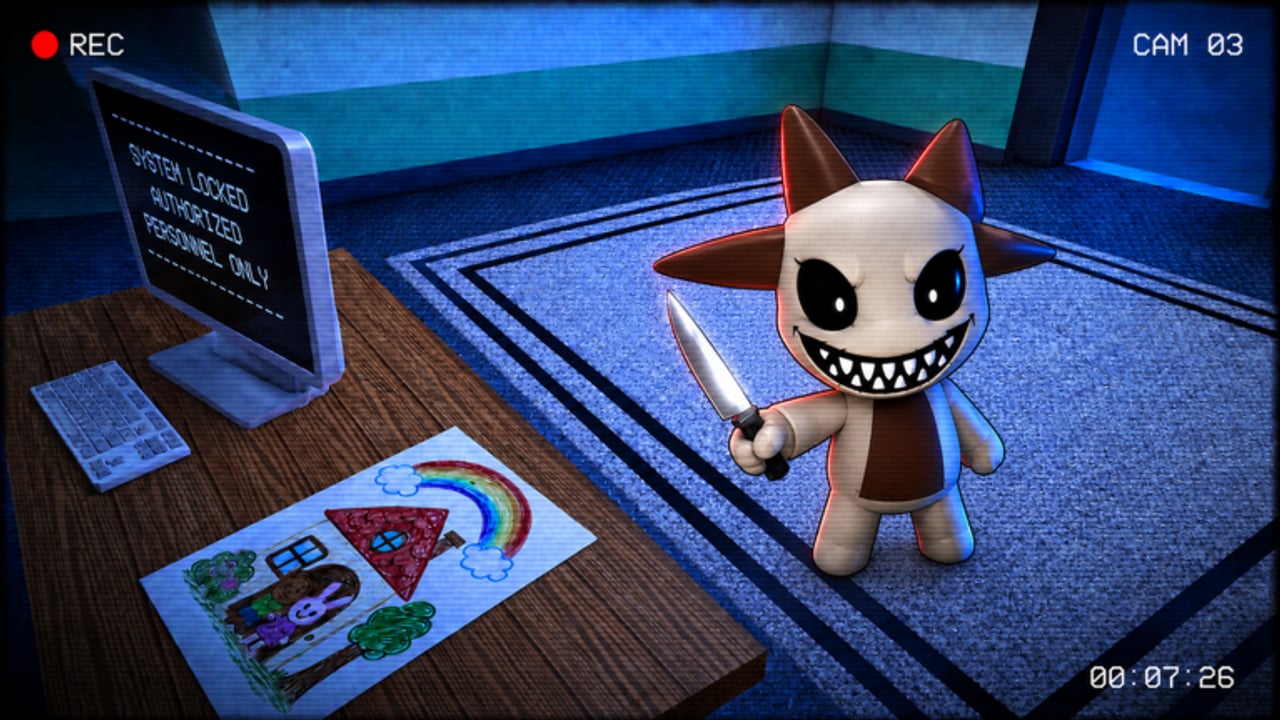
This Tier List Hub ranks approaches for Animal Daycare (Anomaly), not unlockable hospital classes or paid shift tiers from other games. Day Dreams Games built a daycare inspection fantasy: clue checks, admit/reject decisions, child care, cameras, impostors, and nighttime events. The right “build” is how you spend attention under that loop.
Ranking criteria
We score approaches on:
- Impact on wipe prevention (impostor leaks + night failures)
- Flexibility solo vs co-op
- Skill ceiling once basics from Getting Started are done
- Team value in duos/trios and random lobbies
This is not a pay-to-win table. Codes are not part of the ranking (Codes Hub).
Current approach tiers
S-tier — Camera Specialist
Camera Specialists catch what rushed desks miss. After busy admit waves they sweep monitors, call locations, and force delays on suspicious guests. In co-op this role converts chaos into information. Solo players can still run “mini specialist” pulses between care loops.
Learn: How to Spot Impostors, Controls, Impostor Checklist.
S-tier — Caregiver (co-op) / A-tier (solo)
Caregivers keep feeding, calming, and mini-games from exploding so inspectors can think. In co-op, a dedicated Caregiver is often S-tier value. Solo Caregiver is slightly lower because one body cannot cover door + interior forever — but care debt still wipes nights.
Learn: How to Care for Children, Co-op Roles.
A-tier — Night Watch
Night Watch players excel at pre-night checklists, door lockdowns, and composure callouts when the anomaly fantasy spikes. They are not only “brave in the dark”; they prepare surplus meters and reject panic admits. Essential after you can already inspect.
Learn: How to Survive Night, Solo Strategies.
A-tier — Solo Focus
Solo Focus is a hybrid discipline: stricter rejects, timeboxed cameras, shorter care routes, and acceptance that coverage is partial. It is the right ladder for players queuing alone in a game that also supports up to 25-player lobbies.
Learn: Solo Guide, Solo Strategies.
B-tier — Unspecialized Floater
Floaters help wherever the fire is. Useful in organized groups, weaker when nobody owns door or care. Graduate from pure floating into a named approach once you know your strength.
C-tier — Chaos Sightseer
Exploring for clips while ignoring meters and desks. Fun once, costly often. Not a real strategy tier.
What this tier list is not
- Not Animal Hospital (Anomaly) class prices
- Not a fake weapon DPS sheet
- Not a script tier list (Scripts Hub is safety-first, not rankings)
If another site pasted hospital tiers onto daycare screenshots, ignore it.
How to use the subpages
- Solo Strategies — timers, reject strictness, hybrid routes
- Co-op Roles — inspector / caregiver / camera / night assignments
Cross-train with the Guides Hub and Players Hub. Re-rank personally after patches (Updates).
Sample team comps
Duo: Camera-leaning inspector + Caregiver. Swap for night lockdown.
Trio: Door inspector + Caregiver + Camera Specialist. Night Watch duties overlay onto camera/door.
Solo: Solo Focus hybrid with Night Watch prep habits.
Random lobby: Publish two rules in chat (no unsupervised admits; caregivers get interact priority) and play Caregiver or Camera — the roles random pubs under-staff.
Climbing the list ethically
- Finish onboarding guides
- Log tells that beat you
- Pick one approach for a week
- Review nights with teammates
- Ignore fake code power fantasies
Related hubs
Frequently Asked Questions
Quick answers to the most common questions.
Why are you ranking approaches instead of classes?
Animal Daycare is an anomaly daycare loop, not a hospital class shop. Approaches match how attention is spent.
What is the best role for beginners?
Learn inspection first via Getting Started, then try Caregiver in co-op or Solo Focus alone.
Is Camera Specialist really S-tier?
For wipe prevention, yes — hidden impostors are a primary failure mode. Value rises further in co-op.
Do codes change the tier list?
Not currently. No confirmed codes exist; see the Codes Hub.
Where do I read detailed solo vs co-op breakdowns?
Open Solo Strategies and Co-op Roles.