Animal Daycare How to Play Mini-Games
Meal prep, play, and calm interactions — triage them so care debt never blinds the door.
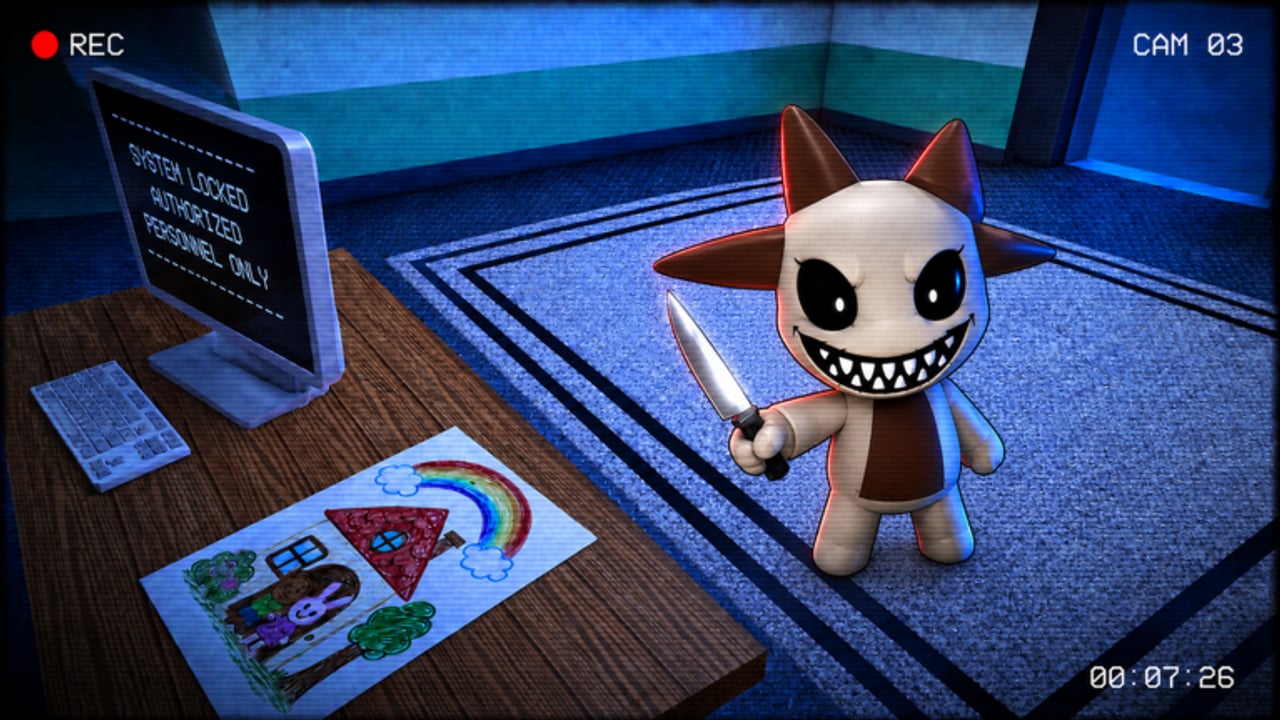
Animal Daycare (Anomaly) by Day Dreams Games is not only a front-desk inspection game. Between admits you run care mini-games and interactables — meal prep, play activities, calming beats, and other daycare tasks that keep children stable. This page turns those interactions into a decision system: when to start them, when to abort, and how to triage when every meter screams at once.
If you are brand new, skim Getting Started first. If you already know feeding basics, treat this as the specialized companion to How to Care for Children.
What “mini-games” means in this loop
In the official daycare fantasy, care work shows up as short interactive tasks rather than a single passive button mash. Expect clusters like:
- Meal prep / feeding interactions that restore hunger-style meters
- Play interactions that burn restless energy and buy calm time
- Calm / comfort interactions that interrupt meltdown spikes
- Occasional timed or precision beats inside those prompts (follow on-screen cues cleanly)
Exact prompt art can shift after patches (Updates Hub), so learn the purpose of each interaction instead of memorizing one thumbnail forever.
The golden rule: mini-games are progress valves, not the whole shift
A mini-game is worth starting when:
- Door pressure is low or a teammate owns inspection
- At least one child meter will meaningfully improve afterward
- Night is not seconds away
- You can still abort if an arrival needs a second look
A mini-game is not worth starting when the desk is unsupervised, cameras have not been pulsed in too long, or you are already in night lockdown mode (How to Survive Night).
Meal prep and feeding beats
Treat meal work as scheduled maintenance, not a panic button.
- Batch feed during quiet door windows
- Prefer a fixed interior route so you do not backtrack across the floor
- Finish the prompt fully — half-cleared meal beats waste the time you spent walking
- In co-op, one Caregiver should own the meal loop so inspectors are not torn mid-clue (Co-op Roles)
If several kids need food and one is already meltdown-critical, calm first, then feed. Food does not help if the room is screaming.
Play mini-games
Play interactions are the “fun” layer of the daycare fantasy and a practical way to reset restless children before they cascade into louder failures.
Good uses
- After a successful admit wave when the lobby is quiet
- When meters are yellow, not red — play prevents red better than it cures red
- As a Caregiver filler between feed stops on your route
Bad uses
- Mid-argument about a suspicious guest
- Right as night cues begin
- Stacking three players on one play prop while the door sits empty
If a play prompt feels long, treat it like a commitment. Short play beats are fine near night; long ones are daytime luxuries.
Calm mini-games and interrupt tools
Calm is your interrupt key. When multiple children spike:
- Identify the loudest failure risk (the kid about to cascade the room)
- Run the calm interaction immediately
- Reassess — sometimes one calm unlocks enough quiet to finish a meal beat
- Only then resume play or optional props
Do not calm randomly. Random calming is cardio without strategy. Pair calm interrupts with the broader triage list on How to Care for Children.
Triage when meters stack
Use this stack order under stress:
- Imminent meltdown — calm interaction now
- Unsupervised admit risk — leave the mini-game if nobody owns the desk (How to Spot Impostors)
- Group stabilize — calm/feed a cluster in one area before crossing the map
- Meal route — restore sustainable green meters
- Play / optional mini-games — buy buffer time
- Camera pulse — end the care slice with a security check so impostors do not farm your tunnel vision
That last step matters. Care tunnel vision is how impostors settle inside. Keep the Impostor Checklist nearby even on Caregiver nights.
Solo metronome for mini-games
Solo players should timebox:
Inspect slice → short care/mini-game slice → camera pulse → repeat
Never chain three mini-games back-to-back unless the door is empty and meters were already critical. More solo pacing lives on Solo Strategies and Solo Guide.
Co-op handoffs around interactables
Callouts that save mini-game time:
- CARE — interior needs a body; inspector holds admits
- HOLD — do not admit while caregiver finishes a prompt
- FREE — mini-game done; floater can return to cams or door
- ABORT — cancel optional play; night or desk emergency
Protect the assigned caregiver’s interactable. Contested props in public lobbies waste everyone’s shift — etiquette notes on Co-op Tips.
Pre-night mini-game policy
Before night pressure:
- Convert care debt into surplus with meal and calm beats
- Finish short play prompts only
- Defer long optional interactions
- Park near the densest child cluster, not the farthest toy
Night without care surplus is a self-inflicted wipe. Read How to Survive Night for lockdown posture after you bank that surplus.
Map awareness while you play prompts
Know landmarks before you commit to a long prompt: entrance/inspection desk, main care floor, camera monitors, and a night-safe interior spot. Orientation language lives on the Daycare Map guide — use it so you do not finish a meal beat on the wrong side of the building when night starts.
Practice drills
- Green five: ignore exploration; only meal/calm/play until stable.
- One-and-done: allow yourself a single mini-game between desk waves — build abort discipline.
- Abort drill: start a play prompt, then intentionally leave for a fake desk emergency so aborting feels normal.
- Duo swap: caregiver and inspector swap for one wave so both respect prompt length (Players Hub).
What not to do
- Treat mini-games as the “real content” and rubber-stamp guests
- Start long prompts during active inspection disputes
- Ignore cameras for an entire care route
- Chase fake “auto complete care” scripts (Scripts Hub)
- Import Animal Hospital mini-game or class sheets — wrong title
- Expect codes to skip care skill (Codes Hub — none confirmed as of Sep 2026)
After patches
Care timing and prompt length can shift when Day Dreams Games updates the client. After any Roblox update stamp, re-time one meal beat, one play beat, and one calm beat, then update your personal notes via the re-test matrix on Patch Notes and Latest Changes.
Related pages
- How to Care for Children — parent care triage
- Daycare Map — where care and cams live
- How to Spot Impostors — security while you care
- How to Survive Night — spend the surplus you built
- Review — who this care-heavy loop is for
- Guides Hub — full map of walkthroughs
Frequently Asked Questions
Quick answers to the most common questions.
Should I finish every mini-game I start?
Finish short care beats when safe. Abort optional play immediately if the desk is unsupervised or night cues begin.
What comes first when kids and the door both need me?
Calm imminent meltdowns, then secure unsupervised admits, then resume meal or play prompts. See the triage list above.
Are mini-games different in solo and co-op?
Same prompts, different staffing. Solo timeboxes them; co-op assigns a Caregiver so inspectors stay on clues.
Do codes or scripts clear care mini-games?
No confirmed codes exist for this title, and care scripts are unsafe. Skill and routing beat shortcuts.
Where should I learn the rest of the care loop?
Read How to Care for Children and keep the Impostor Checklist open so care never blinds security.