Animal Daycare How to Care for Children
Feeding, calming, and mini-game triage so the daycare stays stable under anomaly pressure.
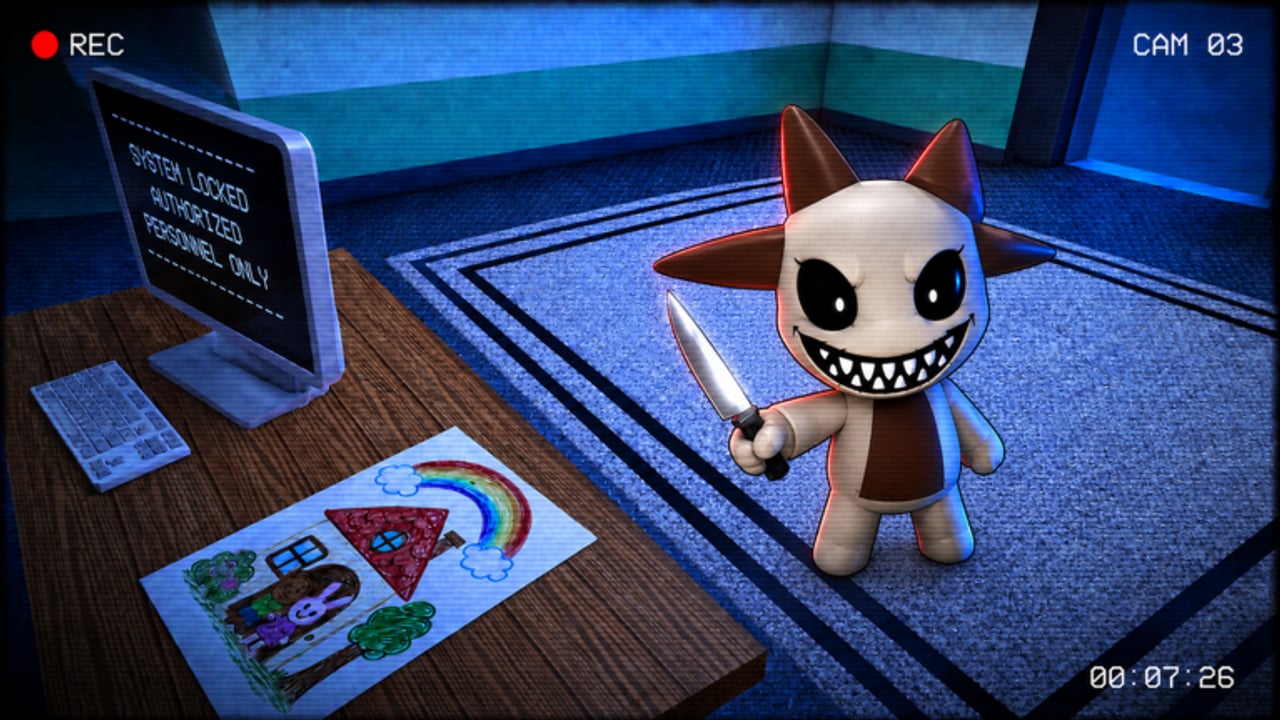
Inspection gets the highlights, but care work keeps Animal Daycare (Anomaly) playable. Feeding children, calming them, and clearing mini-games are not side chores — they are the reason the daycare fantasy exists and the buffer that lets you survive nighttime events. This guide turns the care loop into a triage system you can run beside door duty.
The care loop in one sentence
Keep children stable enough that you can still inspect arrivals, watch cameras, and face night events without the interior collapsing.
If care is ignored, even perfect rejects will not save the shift. If care is all you do, impostors walk in freely. Balance is the skill.
Core care verbs
Feeding
Feed on a cadence, not only when someone is already frantic. Batch feeding during quiet door moments. In co-op, a designated Caregiver should own the route so inspectors are not torn away mid-clue — see Co-op Roles.
Calming
Calming is the interrupt button. When multiple kids spike, calm the loudest failure risk first, then resume feeding routes. Panic sprinting between random children without a route wastes time.
Mini-games / interactions
Daycare mini-games and interactables are progress valves. Clear them when meters are green enough to spend attention. Do not start a long mini-game if night is seconds away — finish prep from How to Survive Night first.
Triage order under stress
Use this order when everything beeps at once:
- Imminent failure on a child meter / meltdown about to cascade
- Door emergency if an unchecked guest is mid-admit (inspection still matters)
- Group calm if several kids can be stabilized in one area
- Feed route for sustainable green meters
- Mini-games that unlock relief or prevent future spikes
- Camera pulse so care tunnel vision does not hide impostors
This order deliberately mixes care and security. Pure caregiver tunnel vision is how hidden threats snowball.
Route planning (solo)
Solo Caregiver / Solo Focus hybrids should walk a consistent interior path:
- Enter care area
- Calm spikes in sight
- Feed along a loop that does not backtrack
- Clear one mini-game if time remains
- Exit to door or cameras
- Repeat on a timer
More solo pacing notes: Solo Strategies and Solo Guide.
Route planning (co-op)
Split space, not vibes:
- Caregiver owns interior loop
- Inspector owns door
- Floater assists whichever meter is worse (care backlog vs visitor backlog)
Call CARE when interior needs an extra body, and HOLD at the door so nobody admits unsupervised. Grammar from How to Spot Impostors still applies.
How care interacts with impostors
Impostors love distracted staff. Protect care time by:
- Admitting slower during care debt
- Rejecting ambiguous guests instead of “parking” them mentally
- Scheduling camera sweeps at the end of each care loop
- Using the Impostor Checklist even when you are tired
A calm daycare makes wrong guests more obvious because baseline behavior looks peaceful. Chaos hides anomalies.
How care interacts with night
Pre-night, convert care debt to surplus:
- Meters should not be entering night already critical
- Finish short mini-games; defer long ones
- Position caregiver near the densest child cluster
- Agree who abandons care only for true emergencies
Night without care prep is a self-inflicted wipe.
Beginner mistakes in the care fantasy
- Treating kids as optional until UI screams
- Starting mini-games during active inspection disputes
- Letting all players stack on one interactable
- Ignoring feeding because cameras feel more “content”
- Importing Animal Hospital shift/class logic — wrong game
Practice drills
- Five-minute green: ignore optional exploration; only care until stable.
- Care then cam: finish one full care loop, then one camera sweep, repeat.
- Debt recovery: intentionally let meters sag once in a private practice mindset, then time how long recovery takes — know your recovery speed before a real night.
- Duo swap: inspector and caregiver swap roles mid-session to learn empathy for both workloads (Co-op Tips).
Progression without codes
There is no confirmed code shortcut for care skill (Codes Hub). Comfort with feeding/calming routes is what lets you specialize into Caregiver on the Tier List Hub without dragging the team.
UI reminders
If you cannot find care prompts quickly, fix that before blaming the genre — revisit Controls and Getting Started. Speed comes from knowing prompts, not from spamming every key.
Related pages
- Guides Hub — full map
- How to Survive Night — spend the care surplus you built
- How to Spot Impostors — security while you care
- Players Hub — playstyle communities that value caregivers
- Updates Hub — care systems can shift after patches
Frequently Asked Questions
Quick answers to the most common questions.
Is caregiving optional if I am good at inspections?
No. Neglected children make nights and impostor reads harder. Care is part of the core loop.
What should I do first when several kids need help?
Calm imminent meltdown risks, then run a feed loop, then mini-games if time remains.
Can one player handle all care in co-op?
Often yes in a duo/trio if others own door and cameras. In huge lobbies, share the route.
Should I do mini-games right before night?
Only short ones. Prioritize meter surplus and positioning over long interactions.
Where do I learn door skills that pair with care?
Read How to Spot Impostors and keep the Impostor Checklist nearby.